
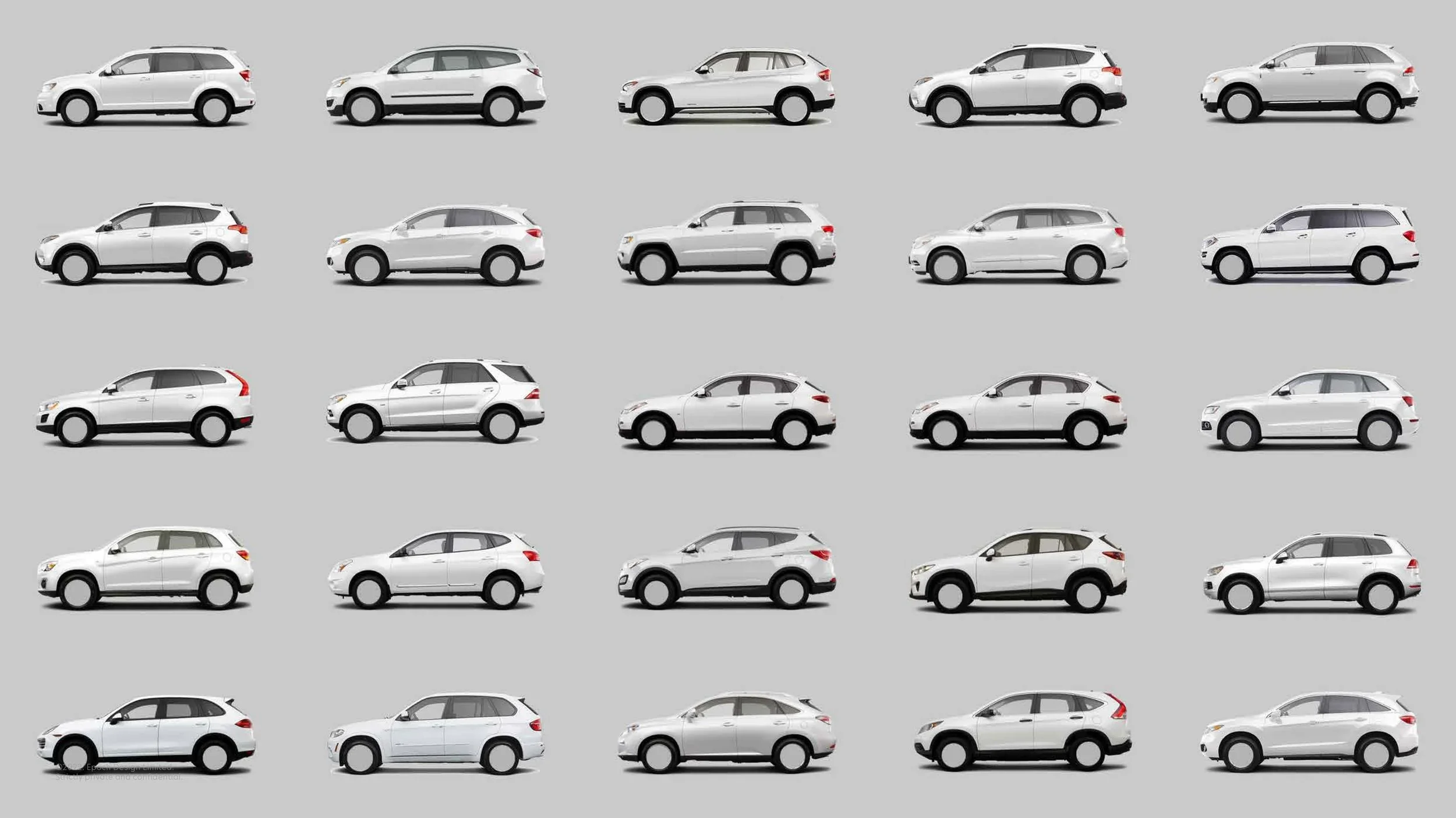
Modern Car Design
A couple of years ago, my friend Joachim Groeger and I were having coffee and complaining about design, specifically how much of it was starting to look the same.
That conversation turned into an episode of Learn, Make, Learn, the podcast Joachim hosts with Ernest Kim. We called it “Why Is Design So Boring?”
We started with Alex Murrell’s The Age of Average and the creeping sameness of everything around us. The minimal Scandinavian coffee shop with Khruangbin playing in the background. None of it is bad. That’s almost the problem. It’s all perfectly fine, and it’s getting hard to tell any of it apart.
Of course, familiarity has its place. Consistency and predictability matter, especially when people need to trust what happens next. A space station control panel isn’t the place to get creative. (Here’s a post of mine on that). But there’s a difference between making something familiar because it helps people, and making it familiar because it’s the default.
I think we were getting at something bigger than aesthetics, though. Somewhere along the way we got very good at making things that look like they should work, and a little less interested in making things that surprise us.
I talked about an old Flash portfolio I’d designed early in my career. It was built around a crack in the wallpaper. You’d click it, the crack would spread, and eventually you’d break through the wall. The website ended there. I liked the idea that an experience could just end, and didn’t need to keep asking for your attention.
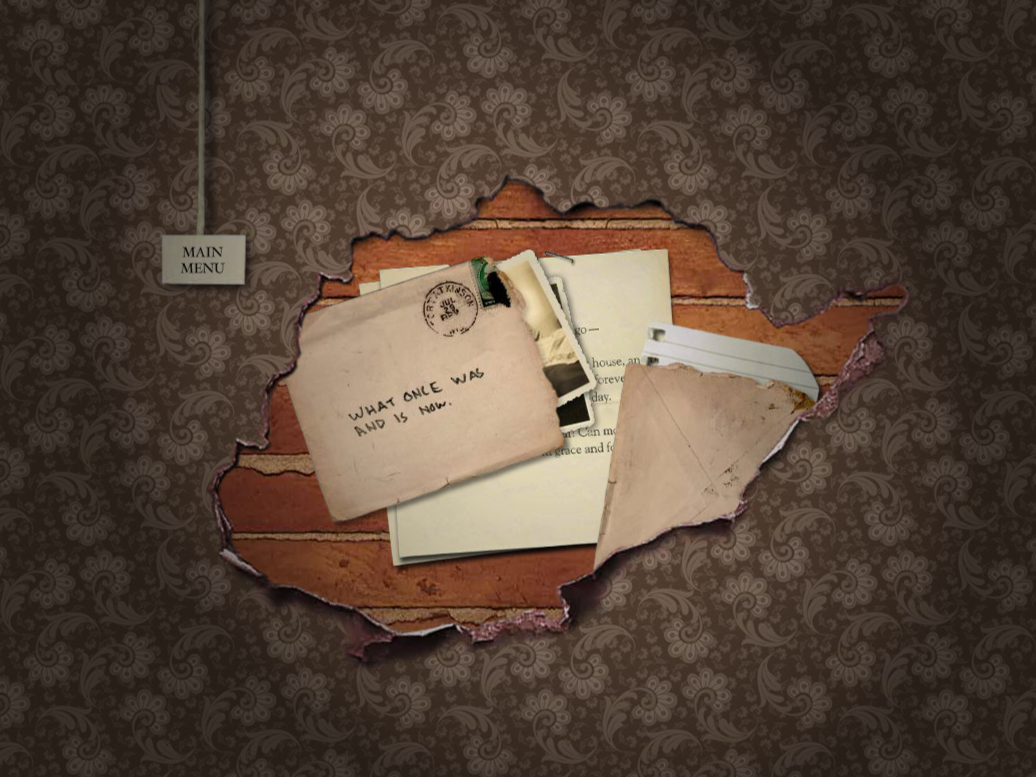
Self Portrait with Web (2006) Flash
I also compared design to denim. Your best jeans are the ones that have been worn in and shaped by actual use. A lot of products are designed to look perfect on the shelf, and don’t seem very interested in what happens after you take them home.
We talked about physical interfaces too. My daughter, three at the time, would zone out watching a show on a screen. When I put the audio of the same episode on her Yoto, she’d get up and dance. Same content, different kid. (And yes, I still hate adjusting my Sonos volume through an app.)
Paula Scher came up as well, and her idea of serious play: approaching your work like a novice, forgetting what you know, and seeing what happens when you make a mess. I described it as exploring from the mild to the wild. It’s easy to get so good at solving familiar problems that you stop asking whether there’s a more interesting one.
Two Years Later
When we recorded, I said AI might be a quick way to get to crazy ideas, or it might just give us UI that looks like everything else. I didn’t really have an answer.
I think I do now.
The averaging problem is real. A model’s default is the most likely answer, which is pretty close to the definition of average. Left alone, AI will probably give us more of what we already have.
While building Room 206, I tried to take a page from Paula Scher: approach the work like a novice, forget what you know, and see what happens. The code, on the other hand, kept trying to protect the experience from anything that looked broken. It ended up blacklisting almost every video, including ones that played perfectly well if you waited. It was a good reminder that the safest answer isn't always the most interesting one.
But something else has changed. It’s become much easier to actually make things.
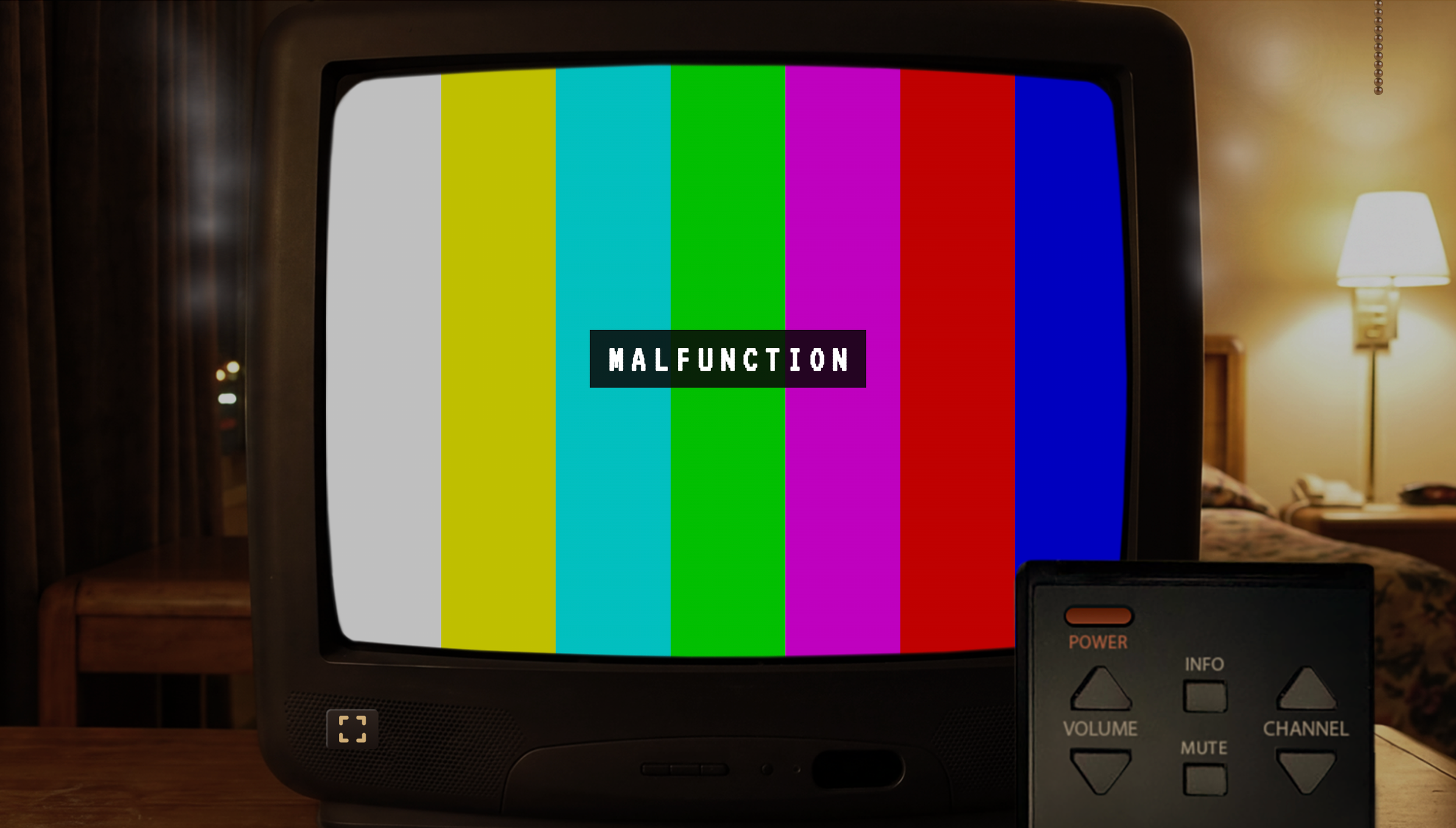
Room 206 (2026) AI
When entering Room 206 a slightly dysfunctional motel TV plays random videos from the Internet Archive. It’s a silly little project, and that’s kind of the point. A few years ago I would have designed a nice UI for it and stopped there.
After a couple of months trying to iron out every problem, I stopped hiding the failures. Some archive videos don’t play and sometimes the TV breaks, so I made that part of the show. Smoke drifts into the room, and eventually the set reads MALFUNCTION. There’s something liberating about putting a thing out into the world even when it’s a bit wonky. Not everything needs a business case or a roadmap.
Amazon has been almost the opposite experience, and just as interesting. In a big organization, a good idea isn’t always enough to move things forward. People need to try it before they believe it. On Echo Time, I spent a couple of meetings trying to explain why we needed a different approach to the brightness slider. What finally changed minds was a prototype that let people experience both versions side by side. [More on that in my Echo post.]
These are pretty different situations, but the common thread is that I was still making the design calls. AI just shortened the distance between an idea and something you could try.
So that’s my answer to the original question. AI won’t make design less boring by itself. But it makes it a lot easier to try something different, and that’s a pretty exciting opportunity.
The world has enough beige. Go make something weird.