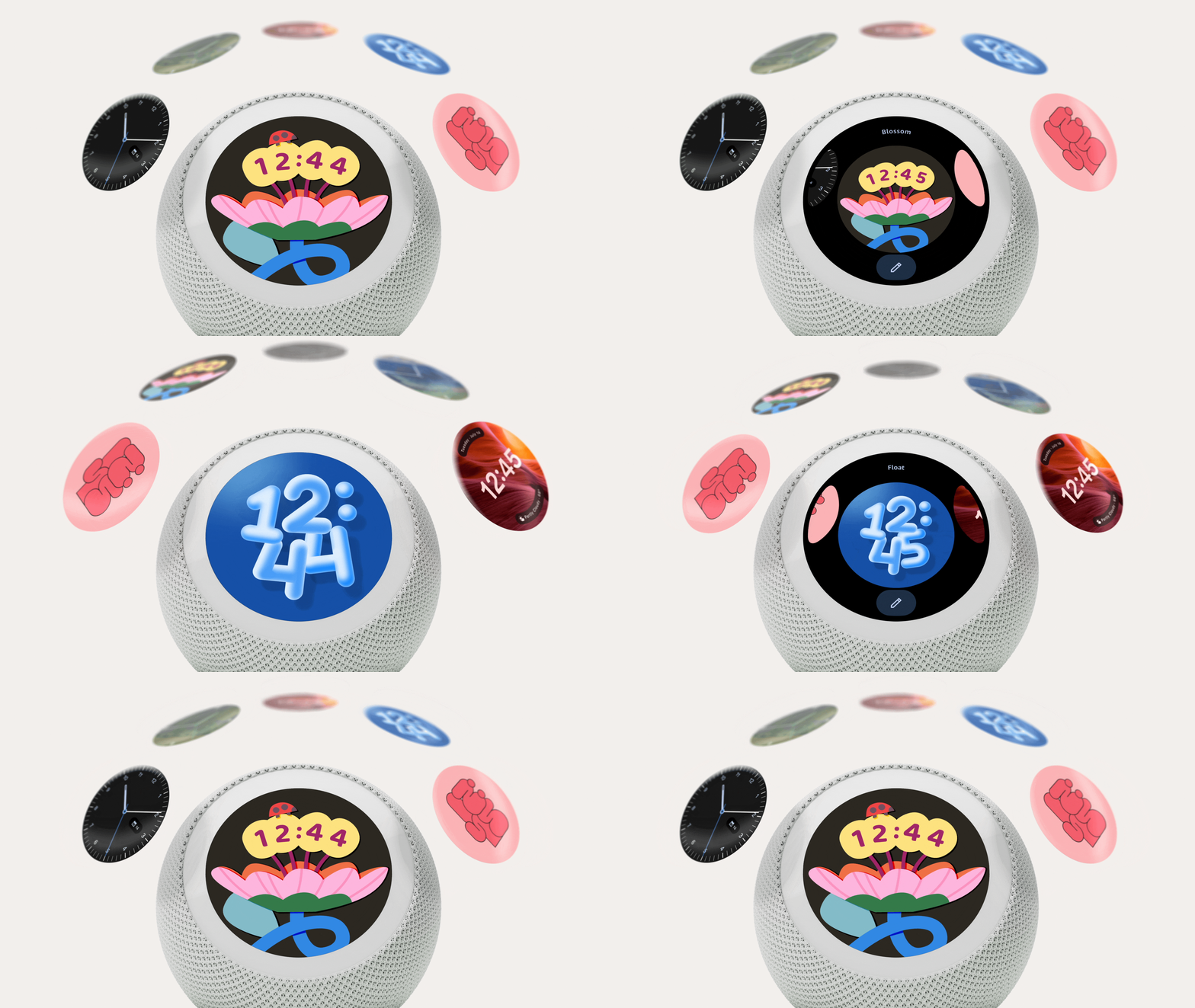
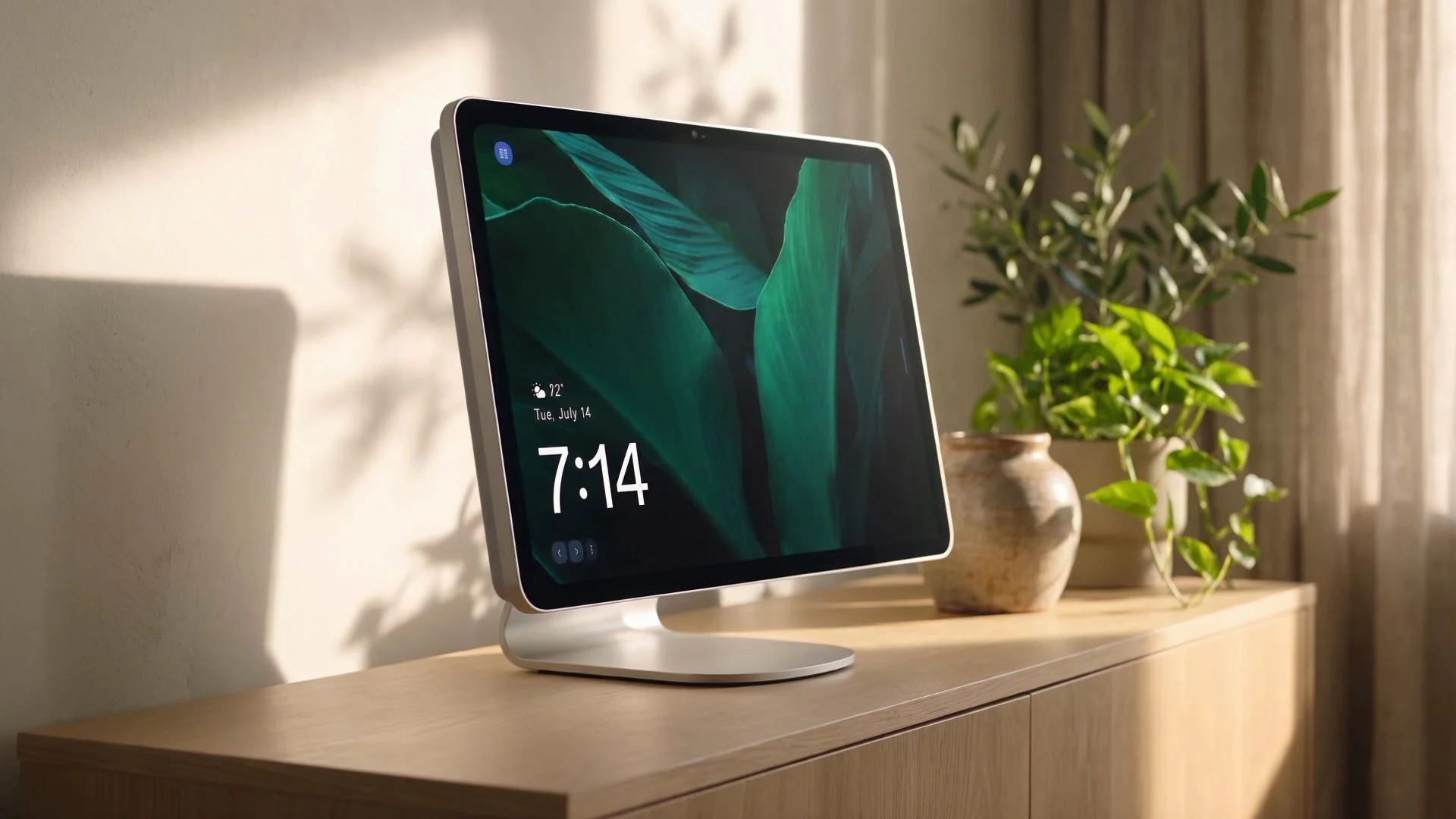
Last week my team launched two new products: the Echo Show 16 and Echo Time. They’re the first hardware I’ve shipped in a while, after about eight months back in that world.
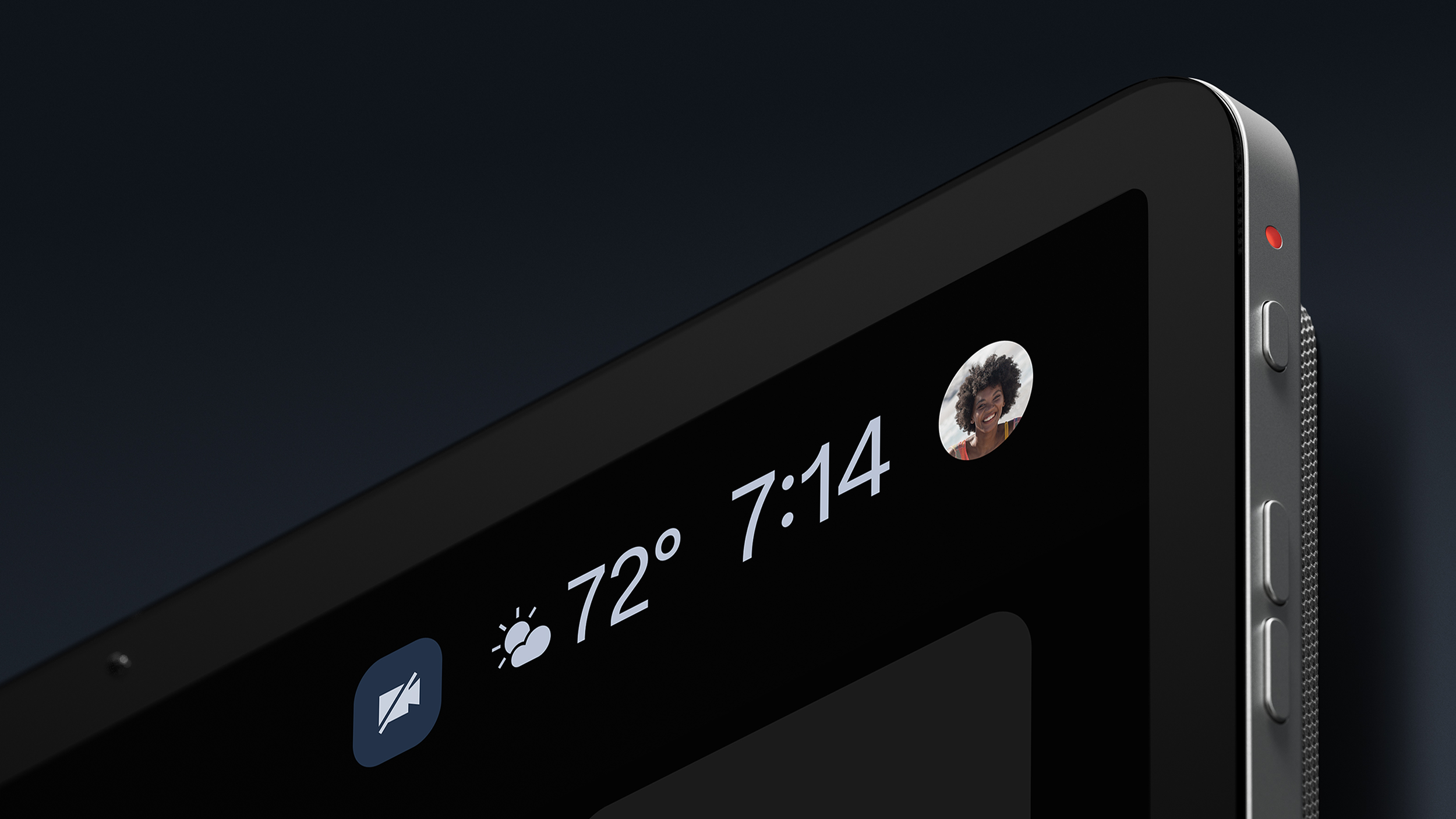
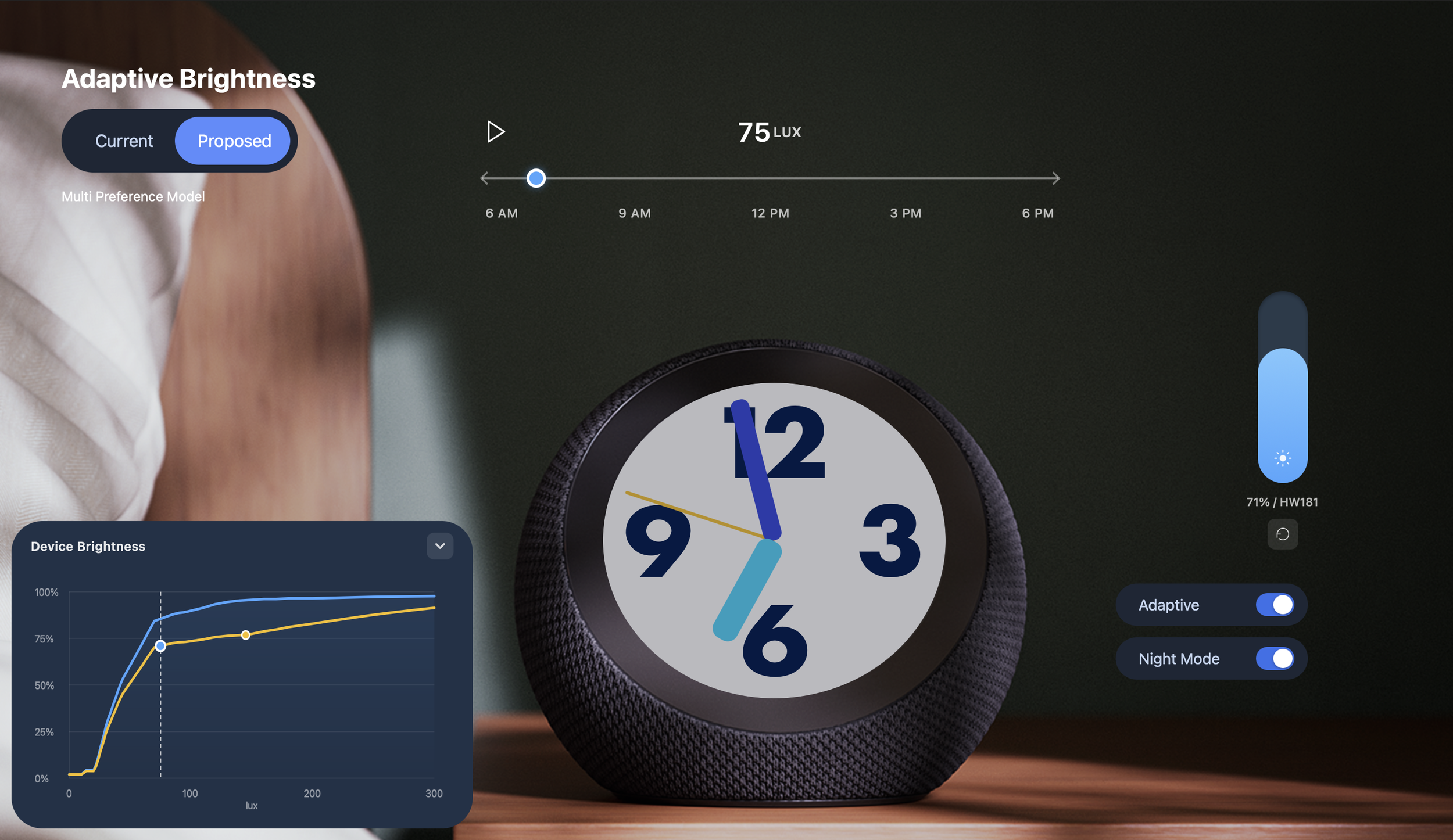
I’m grateful to the designers who welcomed me in and handed me pieces of a much larger puzzle. On Echo Show 16, I worked on quick controls, privacy and system indicators, camera integration, and a lot of small details in between. On Echo Time, I spent a stretch learning more than I ever expected about brightness: how a display should respond to the light in a room while still feeling right to the person looking at it.
The way we design changed quite a bit during those months. We used to work through static flows and save prototypes for the end. Now we start with prototypes to understand how something feels before the logic is fully baked, and AI has become central to how my team builds them. Some I built in a day and folded into what my colleagues were exploring, while others are still evolving. It’s exciting to be able to build things that previously felt out of reach, though I sometimes miss the slower, more deliberate parts of the old process.
That shift paid off on Echo Time. A bedroom clock has to feel right in very different lighting conditions. Our original slider adjusted brightness relative to a default, rather than letting people directly set the brightness they wanted. Testers said the brightness didn’t seem right, and I suspected people were reading it like the slider on their phone. I made the case for a different approach in a couple of meetings, but it wasn’t until I built a prototype showing both behaviors across different lighting conditions that it finally clicked.
Shipping hardware is never easy, and I’m proud to have played a part in getting these two products across the line with a team that sweats the details.